Why the Ekstraklasa is One of Europe’s Most Unpredictable Leagues
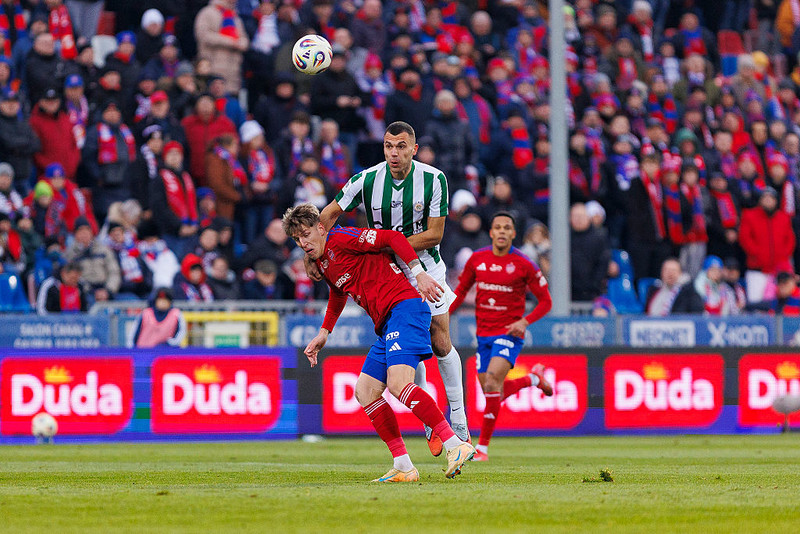
It is a league where results don’t tend to mean much, where the teams who should be winning aren’t, and where the table is unpredictable every two weeks. This flair of madness is what makes the Ekstraklasa League so entertaining to watch.
Unlike the European heavyweights, the Ekstraklasa is not so predictable. New challengers suddenly appear, contenders of the title appear poised to return to the top, and even the final match of the season appears to be a toss of a coin. This makes expatriate Poles inextricably linked to the Ekstraklasa highlights, updates, and weekend live streams irrespective of the distance involved.
Part of the league’s chaotic beauty comes from its competitiveness. Even the clubs hovering near the bottom of the table are capable of upset wins that derail title races. Fans know that a match against a struggling side is never straightforward, a lesson many teams have learned the hard way. This unpredictability is also why Ekstraklasa conversations in Polish communities across the UK tend to be passionate, dramatic and full of “you never know” disclaimers. It’s the kind of league where bold predictions feel risky, which is why discussions about form, fixtures and even the role of things like how fans sometimes compare their guesses to what they see in online sports betting during a casual debate become part of the fun rather than something taken too seriously.
The Many Factors Behind the Unpredictability
Constant Squad Turnover
One of the most obvious explanations behind the league’s unpredictability is the constant turnover of players within the league. The Ekstraklasa teams tend to work in relatively tight budgets in comparison to Western European leagues where some clubs have annual profits exceeding 10 million. Because of this, the best players tend to be sold to foreign leagues. The effect of the constant turnover in the league is that the league tends to feature a vastly different lineup of players from one season to another and sometimes even from one round to another.
All of this, of course, is well known to the fans: the pattern that a promising team will form and then be interrupted when the best players depart and the coaches put the teams back together again. This is why there is no way for a club to maintain its dominance in the league because a number of teams realistically consider the European competition each season.

Home Advantage Really Does Matter
The home advantage of weather proves to be quite tough in the Ekstraklasa league. It is always an advantage to play in an environment that has the best possible conditions, in terms of winter weather, the nature of the ground, and the boost the presence of the crowd has on the players. The toughest teams to beat in any league are those that need to be careful when playing their rivals away from home. Fans understand that when a league-leader travels to a smaller ground, anything is possible.
Coaching Changes Shake Things Up Constantly
Another characteristic of the league is the readiness of the teams to swap coaches if the results are not immediate and favorable to them. The teams can suddenly experience improvement due to the hiring of a new coach, but most of the time, the changes will make way for more struggles for the teams. Watching the teams play in these leagues is likened to viewing a soap opera due to their volatility and unpredictable nature.
Why Fans Love It Anyway
For all the frustration that will come with it, the disorder has made the league a cherished tradition in the eyes of Polish fans in the UK and Ireland. Unpredictability means excitement in this case. Each new season will mean a new experience, and each match will never be routine again. For the Poles in the UK and Ireland, supporting the league is a means to maintain a connection to their homeland.
The League Builds Emotional Resilience
Supporting an Ekstraklasa side means coming to terms with the fact that joy and despair are sometimes two sides of the same coin and that they can both be experienced in the course of a single afternoon. This rollercoaster experience breeds a resilience of a certain stripe, and people laugh and say that it is this that is crucial to either Polish football or the British climate.
Uncertainty Keeps the Experience Fresh
"In leagues where a certain club wins the title each season, the excitement will wear off in the long run. But even in the Ekstraklasa, surprise is a constant element in the season. Teams that are struggling in the middle of the table in the fall turn out to be contenders for the highest places in the spring. The teams in danger of relegation can upset the teams hoping to play in European competitions. No storylines will ever be put to rest."
The Beauty of a League That Refuses to Behave
Ultimately, the unpredictability of Ekstraklasa is not a weakness but a character in its own right. This is the character of Polish football: a character that is determined, full of passion, and ready to surprise at any second. This experience for foreign supporters translates into a comforting feeling of their homeland because Polish football will frustrate them but will never bore them. Within a sporting landscape where predictability is the norm, the Ekstraklasa is a breath of fresh air and a league that prides itself on its uniqueness in a crowded European marketplace.
It’s a league that promotes excitement and entertainment, and this is precisely why Polish communities in the UK are so taken with it.