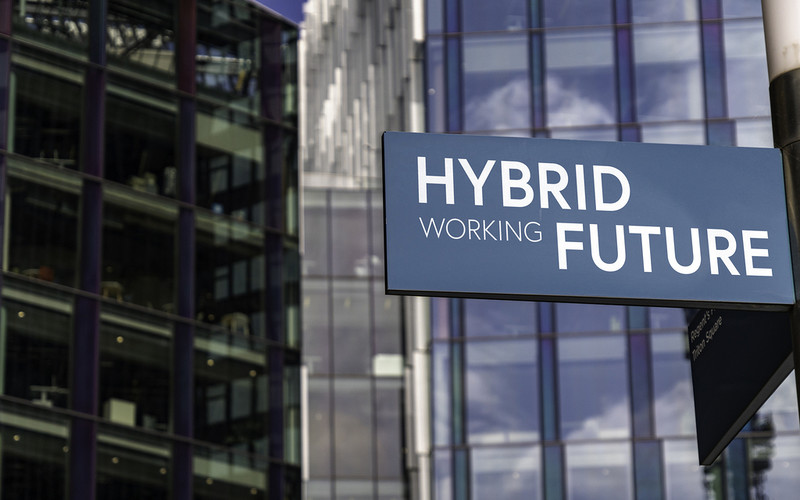
The Tech Industry Has Found Its New Rhythm in Hybrid Work
This transition from "necessity" to "strategy" has proven that a flexible environment is the only way to remain competitive and keep developers, designers, and engineers truly productive.
By balancing deep, focused work at home with high-impact social bonding in person, tech companies have created a more sustainable workflow. This evolution benefits both the employer's bottom line and the employee's quality of life, making the hybrid shift a permanent fixture of the modern tech landscape.
Talent No Longer Has Geographic Borders
The removal of geographic constraints is a primary reason the hybrid shift is here to stay. Before 2020, companies were largely restricted to local talent or those willing to relocate. Now, a startup can hire elite developers or designers from across the globe, focusing on talent rather than proximity.
This access is a significant competitive advantage. Without the burden of a commute, firms can hire the absolute best person for the job regardless of location. Furthermore, hybrid flexibility has become a critical filter for candidates; top-tier professionals often ignore listings requiring five days in the office, compelling tech giants to adapt to avoid losing talent.
What Employees Value Most in the Modern Era
It isn't just about avoiding a commute. Employees are looking for a sense of autonomy that the traditional office rarely provided. Here are the core pillars of what tech workers are seeking:
- The ability to structure their day around their personal peak productivity hours.
- Reduced stress levels from avoiding rush hour traffic and long travel times.
- More quality time with family or pursuing hobbies that improve mental health.
- A workspace that is customized to their specific ergonomic and sensory needs.
When these needs are met, the quality of the output tends to rise. A happy developer is a productive developer, and the tech sector has taken this lesson to heart.
Comparing the Old Way to the New Standard
To understand why we aren't going back, it helps to look at the tangible differences between the traditional office-centric model and the modern hybrid approach. The efficiencies gained in the last few years are hard to ignore.

As seen in this comparison, the hybrid model offers a leaner, more results-oriented framework. Companies are saving millions on commercial real estate, allowing them to reinvest that capital into research, development, and employee benefits.
Rethinking Productivity and Performance
In the old days, managers often equated presence with productivity. If they could see you at your desk, they assumed you were working. The shift to hybrid work has forced a much-needed change in management styles. We are moving toward "asynchronous communication," where the focus is on meeting deadlines and hitting KPIs rather than how many hours you sat in a chair.
This change requires a high level of trust. Teams now rely on robust project management tools and clear documentation to keep everyone aligned. While it was a steep learning curve for some, it has resulted in more organized and transparent workflows. Information is no longer trapped in hallway conversations; it’s documented in shared spaces where everyone can access it.
The Role of Physical Spaces in a Hybrid World
The office isn't dead; its purpose has simply changed. Instead of being a place for individual "heads-down" work, the office is becoming a "hub" for specific activities. Tech companies are redesigning their spaces to include more collaborative zones, lounge areas, and meeting rooms equipped with top-tier video conferencing tech.
- Quarterly Planning: Teams fly in for a week of intense strategy and roadmap building.
- Social Mixers: Events designed specifically for team bonding and culture building.
- Onboarding: New hires spend their first few days on-site to get a feel for the company's DNA.
Balancing Focus and Leisure in a Digital World
Maintaining a healthy balance is the secret sauce of the hybrid model. Just as developers need breaks to keep their code clean, everyone needs a way to decompress. Some people find their focus through music or meditation, while others enjoy a bit of entertainment during their downtime. For example, many tech professionals find that visiting a site like mr bet which offers a diverse selection of online casino games and sports betting opportunities is a fun way to relax and take a mental break from complex coding tasks. Having these outlets for recreation is vital for preventing burnout in a high-pressure industry.
When companies support their employees' need for both focus and leisure, they foster a culture of mutual respect. The hybrid model acknowledges that life happens outside of the "9 to 5" window, and that flexibility is the key to longevity in a demanding career.
Addressing the Challenges of Disconnection
It wouldn't be fair to say the hybrid model is perfect. There are real challenges, such as the potential for "Zoom fatigue" or feeling disconnected from the company culture. Tech leaders are currently experimenting with ways to solve this. Some are using virtual reality for meetings, while others are implementing "no-meeting Fridays" to give people space to breathe.
The key is intentionality. In a hybrid world, culture doesn't happen by accident. You have to build it through regular 1:1 check-ins, transparent leadership communication, and ensuring that remote workers have the same opportunities for promotion as those who visit the office more frequently.