Horse Racing in the UK vs Poland: Two Traditions, One Passion
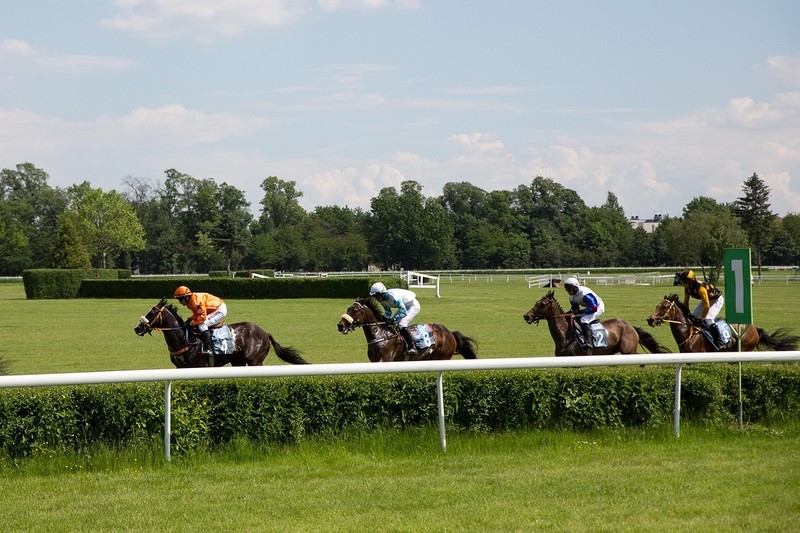
In the UK, horse racing is woven into national identity, with events like the Grand National and Royal Ascot drawing millions each year. Poland’s racing world, while passionate and dedicated, operates on a smaller scale, serving a more niche community of fans, breeders, and bettors. Still, the sport has deep roots in both countries, and each region brings its own charm to the track.
Punters today enjoy a unique advantage thanks to smarter tools. Fans in both the UK and Poland can now follow horse racing tips on a daily basis with the help of AI, allowing them to analyse trends and form with far less guesswork. These tools review past performances, track conditions, and horse data in seconds. They offer insights that help bettors feel more confident in their selections. It adds a modern twist to the sport, making the experience more accessible, particularly for newer fans who might not have years of racing knowledge behind them.
The UK stands out globally for its rich heritage and vast racing infrastructure. With over 50 racecourses and centuries-old traditions, the British industry operates at a world-leading pace. The major festivals are not only sporting events but cultural landmarks, attracting celebrities, royalty, and international audiences. Betting is deeply integrated into racing culture, supported by a strong regulatory framework that feeds revenue back into the sport. The country also has a huge ecosystem of trainers, jockeys, breeders, and owners, creating a highly competitive environment. British flat and jump racing enjoys worldwide prestige, which means horses and trainers from the UK often compete internationally with great success.
Poland’s horse racing scene, while less prominent, has a loyal fan base and a long history dating back to the 19th century. The main track in Warsaw, Tor Służewiec, is considered one of the most beautiful racecourses in Europe, and it hosts the majority of the nation’s top events. The Polish racing season is much shorter and features fewer meetings, but the community around the sport is tight-knit and enthusiastic. Breeding is taken seriously, and Poland has produced respected Arabian and Thoroughbred lines over the years. However, racing struggles with smaller budgets, more limited media coverage, and lower levels of commercial sponsorship compared to the UK.
Where the UK thrives on its global profile, Poland shines in its intimate, tradition-focused style. Races in Poland often feel more grassroots, giving fans a closer connection to the horses and the stables. Many supporters appreciate the relaxed atmosphere and the emphasis on heritage rather than commercial spectacle. Still, the industry faces challenges such as competition from other forms of entertainment and modern betting markets that prioritise bigger racing nations.
Both countries share one thing that keeps the sport alive: passion. Horse racing has the power to bring people together, no matter if it is the roar of the crowd at Cheltenham or the elegance of a summer meeting in Warsaw. The UK’s industry may be larger and more influential, while Poland’s remains modest and traditional, but both contribute to the global sport.