How the Polish Community Spends Its Leisure Hours
Events like the CUD Festiwal 2026, with its mix of music, food stalls and family gatherings, have become fixtures that pull people from across cities like London, Manchester and Bristol into one buzzing weekend. Polonia clubs, parish halls and pop-up concerts now sit alongside a quieter shift in how people unwind once the festival lights go down and everyone heads home to the sofa.
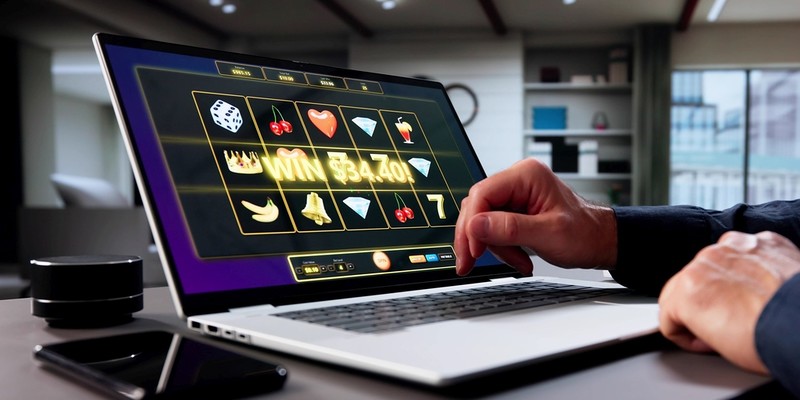
That shift is mostly digital. After a long day, plenty of people reach for a streaming series, a quick game on the phone, or a bit of online entertainment that fits neatly into a Tuesday evening. For those curious about how the at-home side of things has developed, guides ranking the best non gamstop casinos have become a popular reference point for UK-based adults.
These 2026 reviews compare specific sites as alternatives to the standard British-licensed ones, looking closely at the bonuses on offer, the range of payment options including crypto, the licensing behind each operator, and the breadth of game selection. For readers who want to understand what these international sites actually involve before deciding whether they are of interest, that kind of detailed breakdown does the legwork.
From Parish Halls to Packed Festivals
It helps to remember where Polonia entertainment in Britain began. In the years following the 2004 wave of migration, social life often revolved around a handful of established institutions — the Polish church, the local POSK in Hammersmith, a Saturday gathering with familiar food and familiar faces. Entertainment was largely something organised, communal and rooted in keeping a thread back to home alive.
Fast forward to today and the picture is far richer. The CUD Festiwal is a good example of how far things have come. What might once have been a modest community afternoon is now a polished event with headline acts flown in from Poland, craft stalls, regional cuisine and a programme that runs from morning until late. Similar gatherings have sprung up across the country, from Polish film nights to disco-polo concerts that sell out venues most Britons have never heard of. The appetite for shared cultural experiences has not faded — if anything, it has grown louder and more confident.
The Quiet Rise of At-Home Entertainment
Yet alongside the festivals, a parallel world has taken shape inside the home. The same person dancing at a summer event might spend a wet November weekend deep in a Netflix box set, scrolling through TikTok, or settling in for an evening of online games. This is the part of leisure that academics have started to study seriously. Research into how the diaspora uses digital tools, such as work on online media in migration networks, shows just how central the internet has become — not only for staying in touch with relatives in Kraków or Wrocław, but for everyday entertainment too.
The reasons are practical. Live events take planning, travel and money. A digital evening costs little, demands nothing more than a charged phone, and can be paused the moment the kettle boils. For shift workers, for people in towns far from the nearest Polonia hub, and for anyone simply too tired to go out, the at-home option has become a genuine equal to the night out rather than a poor substitute.
Striking the Balance Between Both Worlds
The interesting thing is how rarely people choose one and abandon the other. Most settle into a rhythm that mixes the two. There is the lively festival in June, the family wesele in autumn, the football matches watched together — and then there are the dozens of ordinary evenings filled with streaming, gaming and online pastimes. Scholars examining migrants' leisure and integration have noted that this blend is itself a sign of settling in: a community comfortable enough to enjoy both its own cultural traditions and the wider digital culture around it.
That balance also reflects something about cost and time in modern Britain. With rents climbing and budgets stretched, the big nights out are saved for occasions that really matter, while the cheaper, low-effort entertainment fills the gaps in between. Few people treat this as a compromise. It is simply how a busy life gets organised.
What the Patterns Reveal
Look closely and the way people spend their free time says a great deal about belonging. Studies of leisure behaviour of immigrants have found that strong community networks and a comfort with the surrounding culture tend to go hand in hand rather than pulling against each other. The Polish community in Britain seems to bear this out neatly. The festivals keep the cultural roots watered; the digital pastimes plug people into the same entertainment habits as their British neighbours.
So the CUD Festiwal and its many cousins are not the whole story, nor are the quiet nights in front of a screen. They are two halves of the same picture — a community that has learned to celebrate loudly when the moment calls for it, and to unwind quietly when it does not. The choice between a crowded festival field and a comfortable sofa is no longer an either-or. For most, it is simply a matter of which mood the week happens to be in, and both options are richer than they have ever been.