How Poles and Britons Spend on Fun
Money for fun is finite, and the Polish community in Britain has long had a sharp eye for getting the most enjoyment out of every pound. The way leisure budgets stretch across two countries says a lot about how this group lives, and increasingly about the digital corners of entertainment they explore in their downtime.
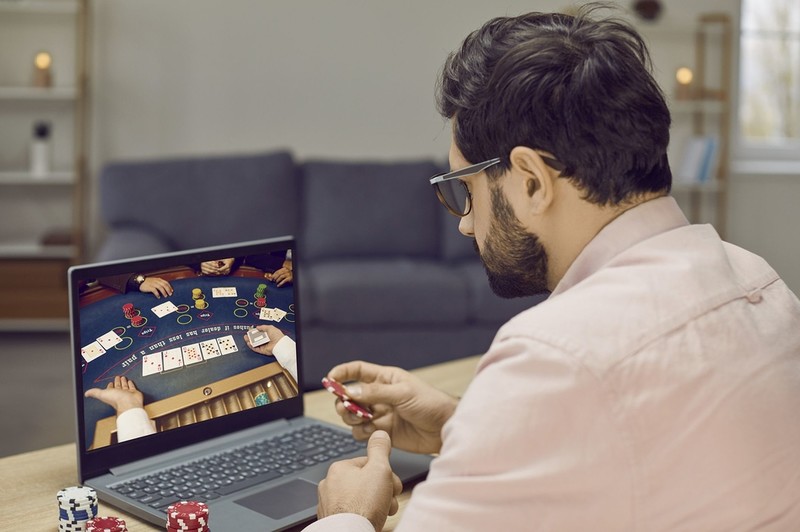
That curiosity now extends to online play. For Polish readers settled in the UK who fancy a more flexible bit of digital leisure, non gamstop casinos have become a talking point because they are offshore-licensed sites that sit outside the British player-blocking scheme, opening their virtual doors to players who want a wider range of games. Reviews of these sites in 2026 tend to weigh up the practical details that matter most: the payment methods on offer, the spread of slots and table games, the size and fairness of the welcome bonuses, and the importance of responsible play. For someone juggling spending between two currencies and two cultures, understanding how these offshore options compare to standard British operators is simply part of being a savvy consumer of entertainment.
Two Countries, Two Wallets
The numbers behind leisure spending make for interesting reading. According to the Office for National Statistics figures on family spending in the UK, recreation and culture remain one of the larger slices of the average household budget, sitting alongside transport and housing costs. Britons, it turns out, are willing to part with a fair amount for their fun, whether that is a Premier League season ticket, a Netflix subscription, or a weekend break.
Poland tells a different tale, shaped by a lower cost of living and stronger habits around home-based entertainment. A night out in Kraków still costs noticeably less than the equivalent in London, which is precisely why many Poles in Britain feel the pinch when they first arrive. A pint that costs a few złoty back home suddenly demands several pounds, and a festival ticket that once felt like a treat now competes with rent in one of the world's pricier cities. The result is a community that thinks carefully about where its entertainment money goes.
Gaming: A National Passion on Both Sides
If there is one form of leisure where Poland punches well above its weight, it is video games. The country has produced some of the most celebrated studios in the business, and the story of video games in Poland is genuinely a point of national pride. CD Projekt Red, the team behind The Witcher series and Cyberpunk 2077, turned a small Warsaw outfit into a global name, while studios like Techland and 11 bit gave the world Dying Light and Frostpunk.
For Poles living in Britain, gaming is a neat bridge between the two cultures. A copy of The Witcher 3 costs roughly the same whether bought on Steam in Łódź or Leeds, and the online communities that gather around these titles do not care which side of the Channel a player logs in from. British gamers are equally enthusiastic, pouring money into consoles, subscriptions and the endless stream of downloadable content. Gaming, in short, is the great leveller of entertainment spending — relatively affordable, endlessly social, and immune to the currency confusion that affects so much else.
Festivals and the Pull of Home
Festivals occupy a special place in the Polish heart. Open'er, Pol'and'Rock and the Kraków Live Festival draw enormous crowds, and many in the diaspora plan their summer trips home around these events. The appeal is partly the music and partly the chance to reconnect with friends and family.
Britain, of course, has its own giants. Glastonbury, Reading and Leeds, and the dance-heavy weekenders dotted across the countryside all pull in Polish festivalgoers too. The difference often comes down to price. A weekend ticket to a major British festival, once camping, travel and food are added, can easily eclipse the cost of a flight back to Poland for the equivalent event. Wider research into leisure habits across Europe shows just how much spending patterns vary between nations, and the Polish-British comparison is a vivid example of that gap in action.
Why Digital Leisure Appeals to the Diaspora
When budgets are tight and the weather refuses to cooperate, home-based digital entertainment starts to look very attractive. It is cheap relative to a night out, available at any hour, and easy to dip into for ten minutes or two hours. This is where online play earns its following among the diaspora. It offers a familiar thrill without the travel costs, and the bonuses on offer give cautious spenders a sense of added value.
The smart approach, of course, is to treat any of it as entertainment rather than a way to make money. Setting a firm budget, sticking to it, and keeping the fun firmly in the realm of leisure is the only sensible way to enjoy it. For a community that already weighs every pound against its złoty equivalent, that disciplined mindset comes naturally — and it is exactly what keeps entertainment, in all its forms, a genuine pleasure rather than a worry.